


Explainer: What Do Jet Fuel Surcharge Levels Really Mean?
It covers fluctuating fuel costs.
by Aila Cruz | May 15, 2026
If you’ve ever booked a flight, gone through the excitement of finding a great base fare, and then watched the final price climb because of something called a “fuel surcharge,” you’re not alone. It’s one of the most common hidden costs in air travel, and most passengers have no idea how it actually works. Here’s everything you need to know about fuel surcharges.
What is a jet fuel surcharge?
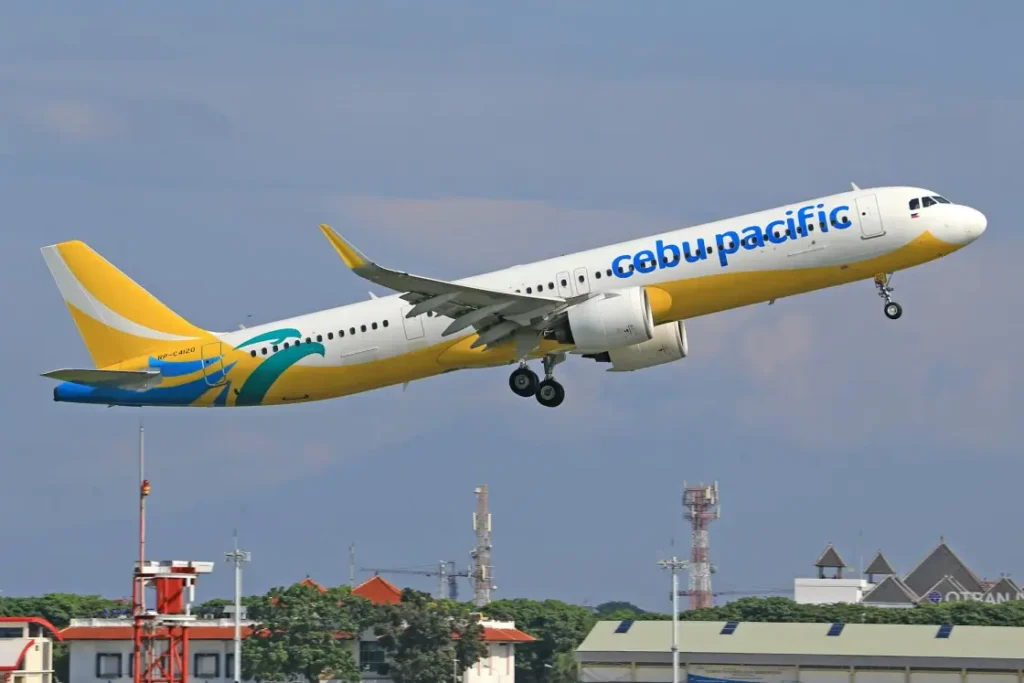
A jet fuel surcharge is an additional fee that airlines and logistics carriers add to ticket prices or shipping rates to cover fluctuating fuel costs. Unlike your base fare — which covers the actual seat, the crew, and the operation of the flight — the fuel surcharge is designed to account for the volatility of global oil prices.
Jet fuel, also known as aviation turbine fuel, is one of the single biggest operating expenses for any airline. Depending on the carrier and route, fuel can account for 20% to 30% of an airline’s total operating costs. That’s a massive line item, entirely at the mercy of global markets.
Why do surcharges exist?
Fuel prices change constantly. They shift in response to geopolitical events (like the current war in the Middle East), crude oil supply decisions, natural disasters, currency fluctuations, and global demand. A conflict in a major oil-producing region, for example, can send jet fuel prices spiking within days.
Instead of repricing every ticket whenever the market moves, carriers use a surcharge system to stay flexible. When global oil or aviation fuel prices rise, surcharge levels increase. When prices drop, surcharges ideally decrease as well. It’s a structured buffer that lets airlines absorb short-term volatility without completely overhauling their fare systems.
How surcharge levels work
Think of surcharge levels as brackets tied to fuel price trends. The higher the global fuel price, the higher the level, and the more you pay on top of your base fare:
- Low levels (e.g., Level 1–5): Fuel prices are low — minimal or no surcharge
- Mid levels (e.g., Level 6–10): Fuel prices are moderate — small added fee
- High levels (e.g., Level 11–15): Fuel prices are elevated — noticeable surcharge
- Very high levels (Level 16 and above): Fuel prices are near peak — significant additional cost
These levels are typically updated monthly by airlines or cargo carriers based on average fuel prices from the previous period. In the Philippines, the Civil Aeronautics Board (CAB) oversees and regulates passenger fuel surcharges for domestic and international flights, ensuring carriers follow a standardized system rather than setting arbitrary fees.
Recent update: CAB fuel surcharge adjustment for May 2026
For flights booked between May 16 and 31, the CAB has lowered the passenger fuel surcharge from Level 18 to Level 15. This reflects a slight easing in global fuel costs which is good news for travelers, even if the surcharge still sits within the higher end of the system. This means your next booking may come in a little cheaper than it would have a few weeks ago, so if you’ve been putting off a trip, now might be a decent window to lock in your fare.
Can you avoid it?
You can’t avoid it entirely, but you can manage it better:
- Book early: Surcharge rates are often locked in once you purchase.
- Watch fuel trends: Timing can help when prices fluctuate.
- Compare carriers: Different airlines may apply different surcharge levels.
- Use loyalty points: These can help offset extra costs.
Fuel surcharges aren’t random add-ons—they’re a structured way for airlines and logistics providers to manage unpredictable fuel costs. Understanding how the system works helps you see where your money goes and plan travel or shipping decisions more strategically.
For more travel guides, destination tips, and trip ideas made for Filipinos, follow WindowSeat.ph on Facebook, Instagram, and TikTok.
 5 Free Museums to Visit in Metro Manila for International Museum Day 2026
Previous
5 Free Museums to Visit in Metro Manila for International Museum Day 2026
Previous
 Metro Manila’s Best Public Libraries You Can Visit for a Digital Detox
Next
Metro Manila’s Best Public Libraries You Can Visit for a Digital Detox
Next